Only true brainiacs know the hidden meaning of these words
25.12.2017
22.630 tıklanma

What do capuchins and cappuccino have in common? And mice and muscles? Read further to find out!
Every word has its history. Knowing a word's etymology, one can better understand its deep meaning. It widens your horizons and adds a special flavor to every word, creating unique images and associations in one's mind. Let's find out what lies beneath the present meaning of some words.
#1

A new kind of coffee had a color similar to that of Capuchin monks' robes, so was named accordingly.
#2

To the first doctors observing muscles they looked like mice running under the skin. So they called it "musculus" which meant "little mouse".
#3
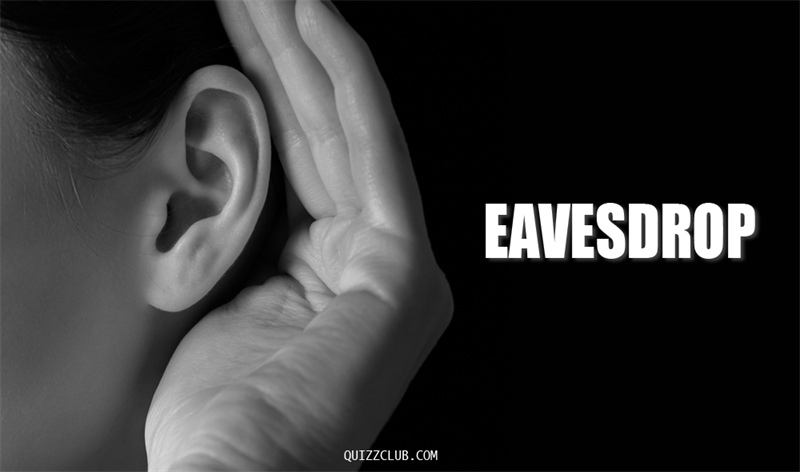
Eavesdrop was originally intended to direct rain water away from the buildings. Since they turned out to be useful for secret listening to other people's talking, the word obtained another meaning.
#4

Native American Lenape word "tuxedo" meant "crooked river". That gave name to Tuxedo Park in New York, where dinner jackets became popular and started to be referred to as tuxedos.
#5

Origin of this word is Latin "candidus", meaning "bright white". That was the color of Roman politicians' togas which showed their genuine and fair-minded nature
#6

The word "salary" comes from the Latin "salaria", which was salt paid as a part of salary to Roman soldiers.
#7

Huron-Iroquois word "kanata" means "village" or "settlement". That's where Canada takes its origin from.
#8
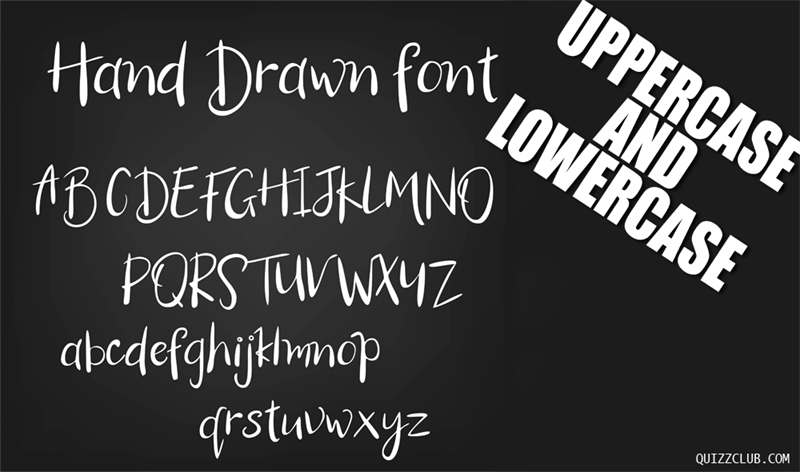
The reason for such names is that letters of uppercase and lowercase for the first printing machines were kept in different cases.
#9
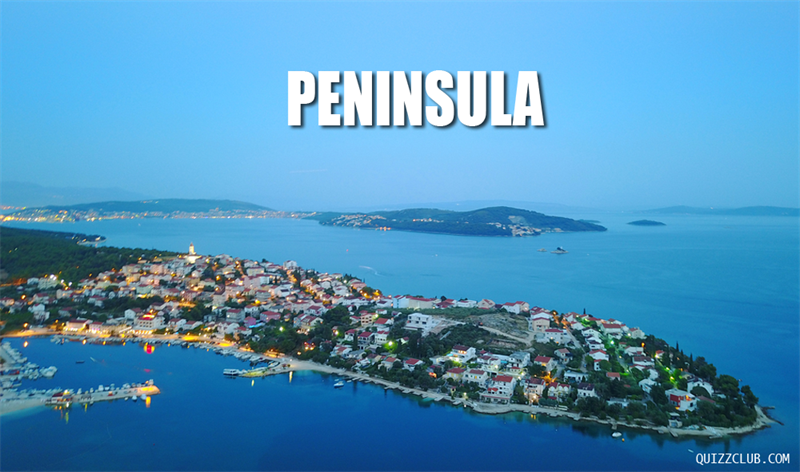
Latin prefix "pen" means "almost" and word "insula" - island. Put together it gives us almost an island.
#10

"Day's eye" in Old English. Open during the day and closed at night. Those who named this flower believed it functions as an eye - opening when the day comes and closing at night. So they called it a "days-eye", which was later transferred into modern state.
#11
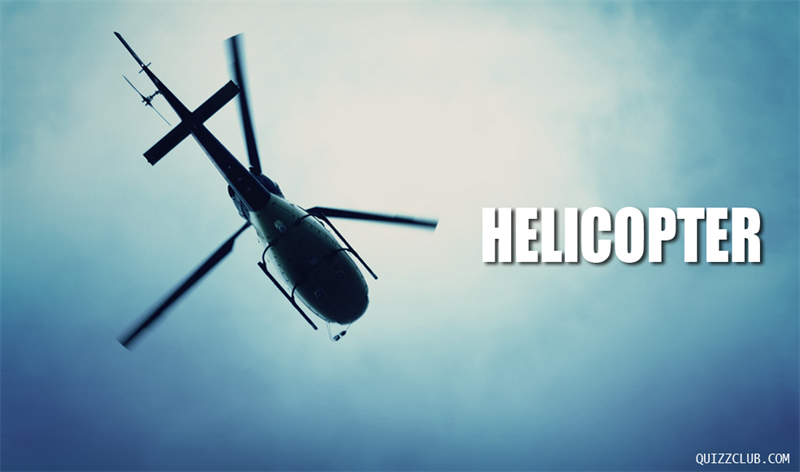
Propeller is "helico" and wing is "pter". It's a flying machine with a propeller instead of a wing.
#12

Word of French origin. Meant "foolish" or "clumsy" in Old French. Evolved into its present meaning with time.
#13

Original meaning - "content". Changed its meaning to "serious" in Middle English and later - to "sorrowful".
#14
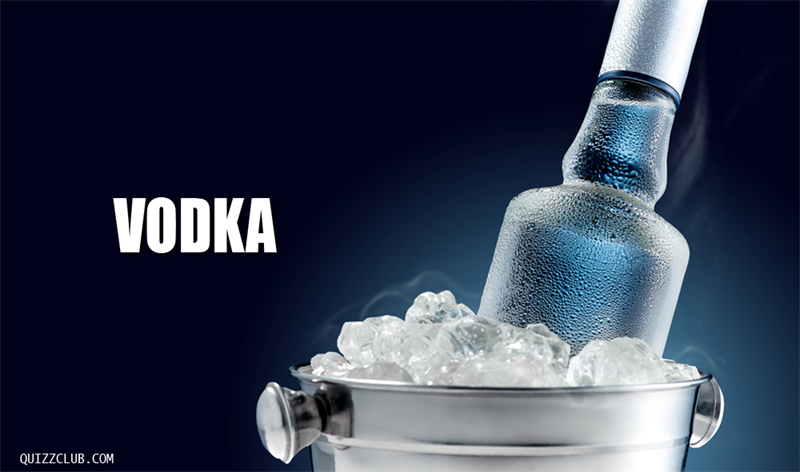
"Water" in Russian is "voda" and suffix "ka" means "something cute". So, vodka is "cute water"
What do you think about these words? Did you confirm your knowledge or did you realize there are still things to learn?
What do you think about this article? Share it with your friends and see if they are true erudites like you!
Bu konudaki düşüncelerin nelerdir?
102 Comments

Lynn Ridenour
Type cases for hand setting type were arranged so that the small letters (a,b,c,d, etc.) were kept in the lower case where they were more accessible for faster typesetting. The case for big letters (A,B,C,D, etc.), not used as much, were set above the lower case, hence upper case.

Ailsa Lind Coates
I love the meaning or origin of words so found it extremely interesting.
Ilias Tsiabardas
You didn't Explain #11 the Origin Of the Word Helicopter. Helico = Spiral +Ptero =Wing. Greeck Origin. thank you
Don Agey
Nice still means the same thing; foolish, or clumsy. That's why it's not a good thing when a girl tells you you're a nice guy

Vic Afalla
very informative....

jch
Some I knew but there is always something new to learn.

MRogers
Cathie Roth Lonnquist, unfortunately with the Quizzclub authors your observation is the rule rather than the exception.

Sucheta Sanyal
I am always interested in how a word is formed.

paolabelle
No, vodka is not "cute water". Believe me. There are at least 2 theories and both are completely different. One is about Polish Wodka (from «aqua vitae») may also mean the same as Russia водка - little water (not cute!). Both words has their origins in 16th century at around the same time. Another - about water-river-water way. In any case... cute is wrong.

Bernice Sartori
I love etymology, so thoroughly enjoyed this! Thanks 😊

Rosemary Elstone
Time to do away with the insulting French (Euro) derived designations, Huron and Iroquois. The correct names for these North American indigenous groups are respectively Wendat and Haudenoshaunee . The word 'kanata' does however mean village or settlement.

tbear
So but how Canada was named, and how upper case and lower case letters were named, sounded dumb to me! Most of the others made no sense! 😊😊

Roger Hope
Okay, alright!💋

annalaxson
I didn’t have a clue
gthom
It seems even though I was super in English class, there is a whole lot still to learn. My mom was great with Latin & could figure out nearly any word. I should have taken Latin instead of Spanish!!
Terry Turrington
Wrong about the term ‘ candidate’! White togas worn specifically by men (sic) hoping to be elected.